
Martyn's Law: Designing washrooms for public safety
In an era where public safety is paramount, new legislation is reshaping how venues approach security and emergency preparedness. Martyn's Law is set to introduce significant changes for businesses and public spaces across the UK. While often discussed in terms of external security measures, the implications for internal spaces, particularly washrooms, are crucial for comprehensive safety planning. At Focus Washrooms, we understand that effective design and refurbishment are key to meeting these evolving requirements, ensuring peace of mind for both operators and visitors.
Understanding Martyn's Law and its venue requirements
Martyn's Law aims to standardise and improve protective security measures at publicly accessible locations. The legislation will place a statutory duty on certain entities to consider and implement measures to protect against the threat of terrorism. For venues, this means a proactive approach to risk assessment and mitigation. When it comes to washrooms, which are often less supervised areas, their design and functionality can play an unexpected but vital role in safety protocols. This includes considerations for visibility, accessibility during emergencies, and the overall security of the space.

Designing for enhanced safety and accessibility
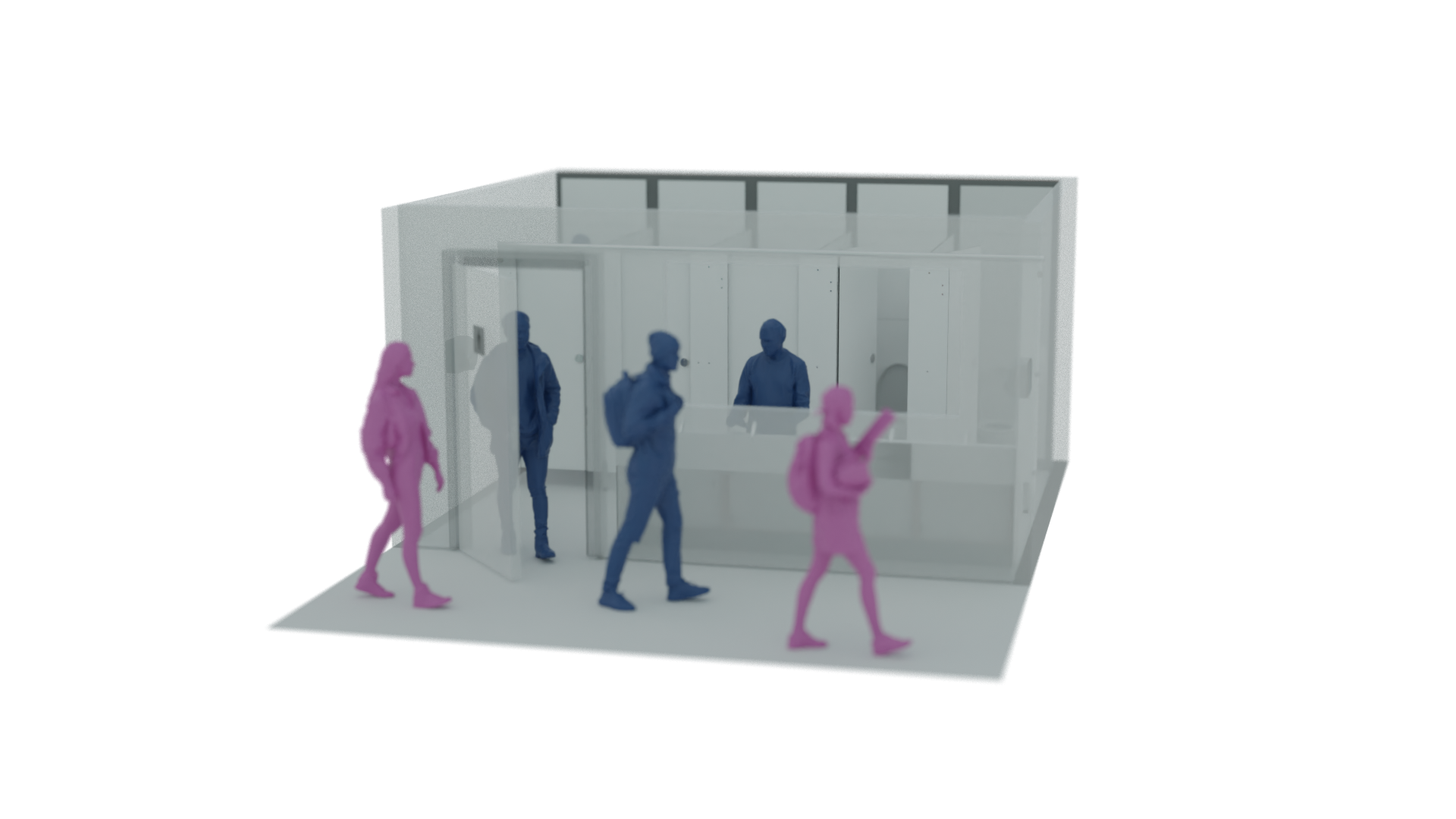
The practical application of Martyn's Law within washroom design involves several key considerations. Firstly, accessibility is paramount. In emergency situations, washrooms must remain accessible for those who need them, while also allowing for swift evacuation or control if necessary. This might influence the placement of cubicle doors, the type of locks used, and the overall layout to avoid creating bottlenecks.
Secondly, visibility and sightlines are important. While maintaining privacy, designers should consider how washroom areas can be monitored without compromising user comfort. This could involve strategic lighting, the use of mirrors, or layouts that minimise blind spots. For venues operating in sectors like leisure or attractions, where visitor numbers can fluctuate, ensuring clear lines of sight is essential for staff to maintain awareness.
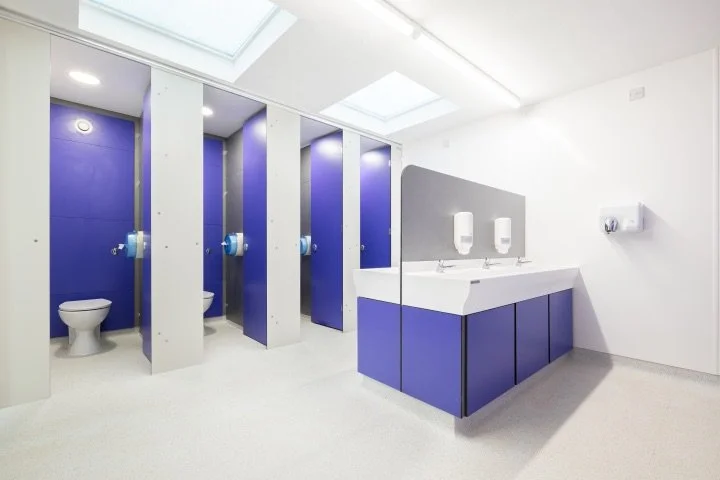
Finally, the materials and fixtures chosen can also contribute to safety. Durable, easy-to-clean surfaces are standard for hygiene, but in the context of Martyn's Law, they also contribute to a robust and secure environment. We specialise in selecting high-quality, vandal-resistant materials that can withstand heavy use and contribute to the overall resilience of the washroom.
Practical advice for washroom refurbishment
When embarking on a washroom refurbishment project with safety and compliance in mind, several practical steps can be taken:
Risk Assessment: Conduct a thorough risk assessment specific to your washroom facilities, considering potential security vulnerabilities and emergency scenarios.
Layout Optimisation: Work with our experienced designers to create layouts that balance privacy with accessibility and potential monitoring. Avoid complex or confined spaces that could hinder movement.
Material Selection: Choose robust, durable, and low-maintenance materials that can contribute to a secure environment.
Lighting and Signage: Ensure adequate, well-placed lighting and clear signage that guides users and can assist in emergency situations.
Consultation: Engage with our specialists who understand the nuances of safety legislation and can provide expert guidance.
At Focus Washrooms, our in-house design team excels at translating complex requirements into practical, effective washroom solutions. We understand the importance of creating spaces that are not only aesthetically pleasing and functional but also contribute to the overall safety and security of your venue.
Focus Washrooms: Your partner in compliance and safety
Navigating new legislation like Martyn's Law can be daunting. As specialist washroom refurbishment contractors, Focus Washrooms offers end-to-end project management, from initial design concepts through to final installation. We have extensive experience working across key sectors including leisure, education, and commercial and understand the unique challenges each faces. Our team is adept at incorporating safety considerations into every project, ensuring your washrooms meet not only current regulations but also future-proof your venue.