
Navigating the 2026 DfE guidance on single-sex toilets
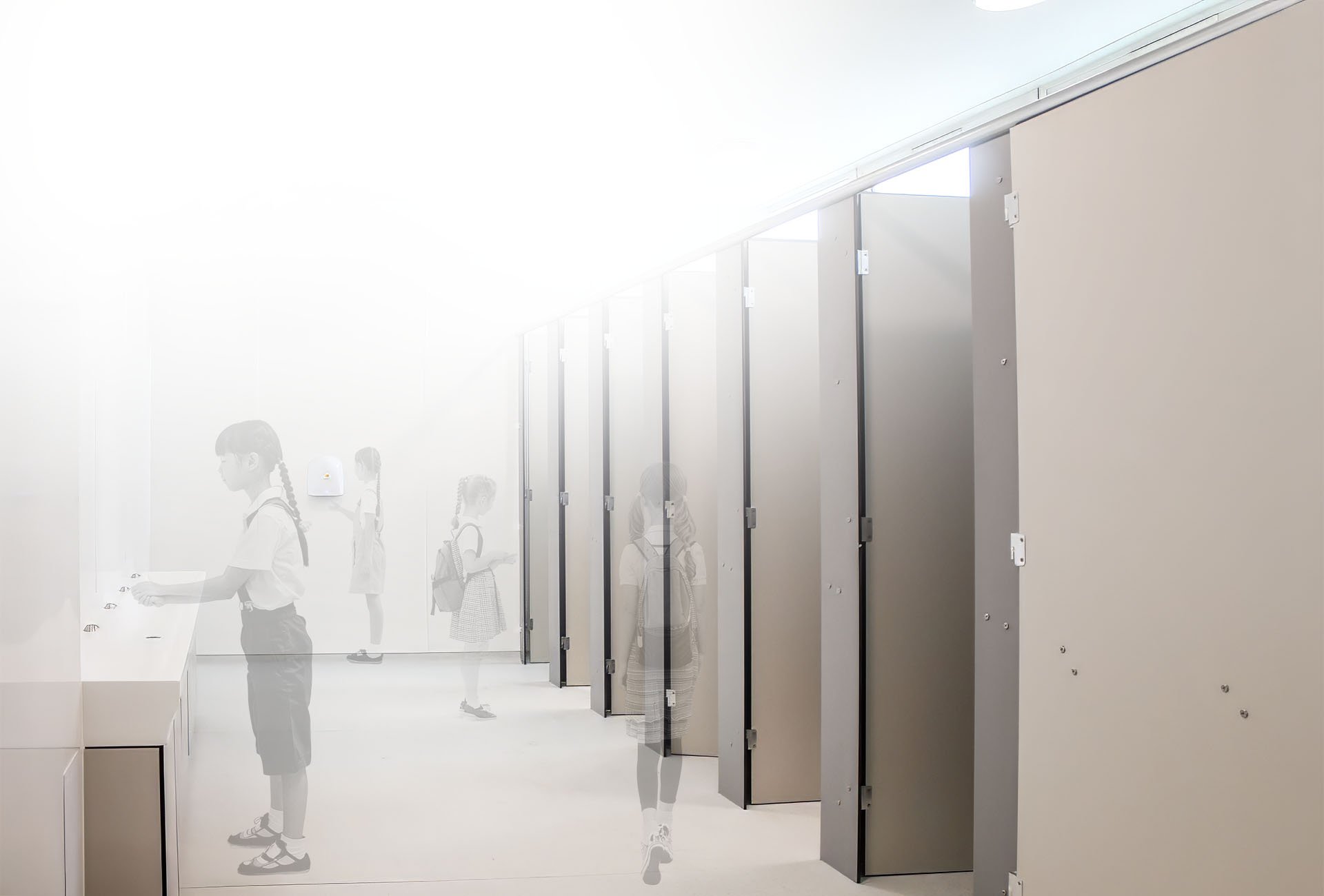
Are you prepared?
The Department for Education (DfE) has released new statutory guidance, set to be incorporated into Keeping Children Safe in Education (KCSIE) from September 2026, regarding single-sex toilet provision in schools. This update mandates significant changes to school washroom facilities, impacting infrastructure and, crucially, the experience of pupils.
At Focus Washrooms, we specialise in transforming school washrooms, and we're here to help you navigate these important changes. We understand the unique challenges schools face, from safeguarding to term-time working, and we're committed to providing practical solutions that meet the highest standards of quality and compliance across London, the South East, East Anglia, and the Midlands.
Understanding the 2026 guidance: what schools need to know
The 2026 DfE guidance places a clear emphasis on providing separate single-sex toilet facilities. This means schools in England must provide separate toilets for boys and girls aged eight and over. This will directly influence design considerations, potentially impacting the number, location, and configuration of washrooms. Schools must now prioritise single-sex spaces, ensuring they are clearly designated and that access is based on biological sex. This is about creating spaces where all pupils feel comfortable, respected, and most importantly, safe.
Key requirements for headteachers, effective from September 2026, include:
Separation by age: Separate toilet facilities must be provided for boys and girls aged 8 years or older.
Biological basis: Access to toilets must be based on biological sex.
No mixed-sex toilet access: Schools must not allow children to use toilets designated for the opposite biological sex.
Alternative provisions: Where a child does not want to use the facility designated for their biological sex, schools may provide alternative facilities (e.g., individual, lockable toilets), but these must not undermine the availability of single-sex spaces.
Changing rooms: Schools must not allow children aged 11 or older to undress in front of children of the opposite biological sex.
Designing for compliance and pupil well-being
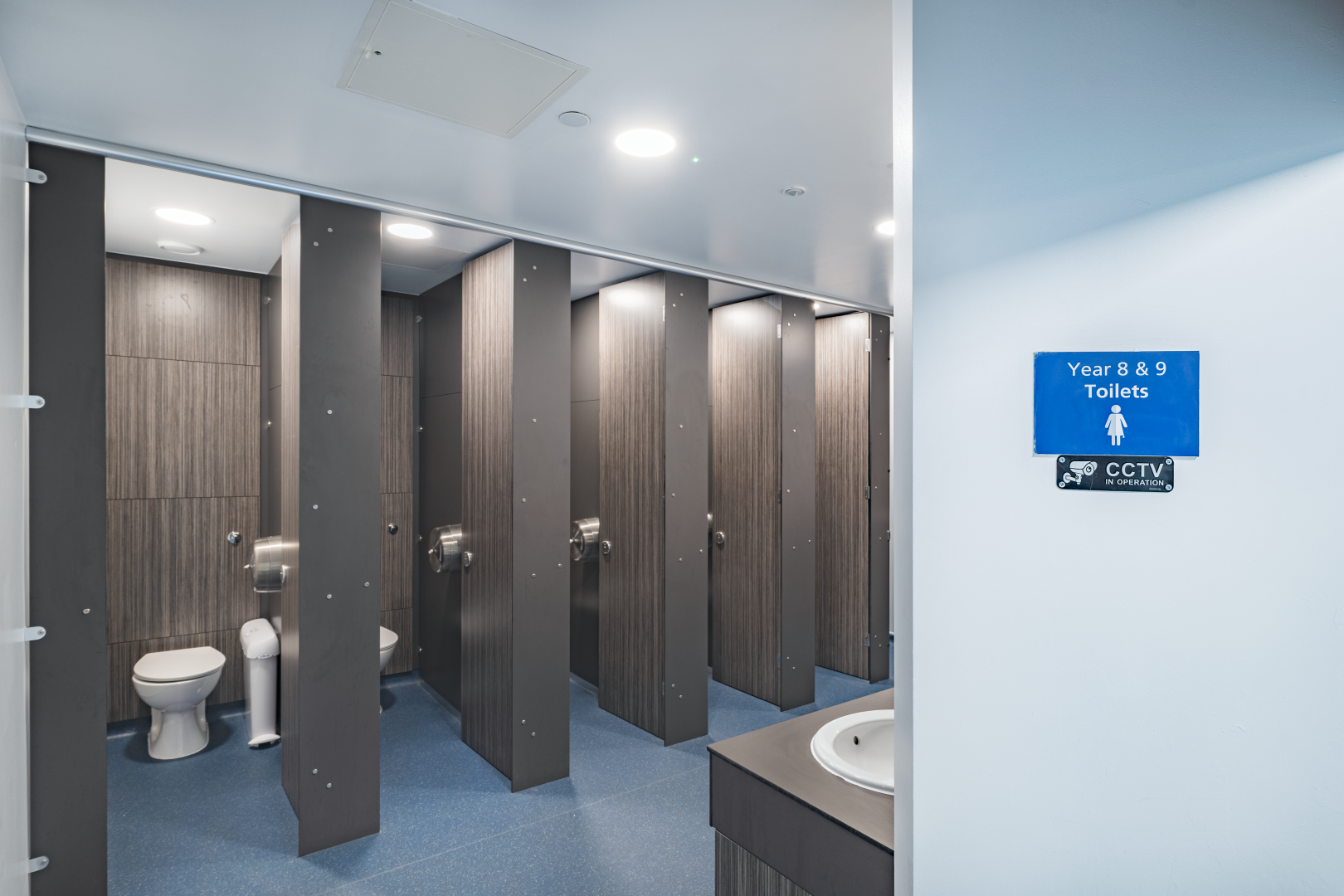
Adapting your school's washrooms to meet the 2026 guidance requires careful planning and a thoughtful approach to design. We specialise in creating spaces that are not only functional but also contribute to a positive and supportive school environment.
Considerations for your next refurbishment project include:
Layout and flow: Optimising the layout to ensure privacy, ease of access, and efficient use of space.
Materials: Choosing durable, hygienic, and aesthetically pleasing materials that are easy to maintain.
Lighting and ventilation: Ensuring adequate lighting and ventilation to promote hygiene and comfort.
Accessibility features: Incorporating features such as grab rails, accessible sinks, and wider cubicles to cater to pupils with disabilities.
Designing for compliance and pupil well-being
Adapting your school's washrooms to meet the 2026 guidance requires careful planning and a thoughtful approach to design. Our in-house design team at Focus Washrooms can make a real difference. We work closely with schools to understand their specific needs and challenges, creating bespoke washroom solutions that are both compliant and enhance the overall pupil experience. Our designs consider everything from the layout of cubicles and vanity units to the selection of durable, easy-to-clean materials. We specialise in creating spaces that are not only functional but also contribute to a positive and supportive school environment.
Considerations for your next refurbishment project include:
Layout and flow: Optimising the layout to ensure privacy, ease of access, and efficient use of space.
Materials: Choosing durable, hygienic, and aesthetically pleasing materials that are easy to maintain.
Lighting and ventilation: Ensuring adequate lighting and ventilation to promote hygiene and comfort.
Accessibility features: Incorporating features such as grab rails, accessible sinks, and wider cubicles to cater to pupils with disabilities.

Phased programmes: minimising disruption during term time
We understand that school refurbishment projects must be carried out with minimal disruption to the school day. At Focus Washrooms, we specialise in phased programmes, allowing us to complete projects efficiently and safely, even during term time. Our DBS-checked operatives are experienced in working within school environments, and we take every precaution to ensure the safety and well-being of pupils and staff. We meticulously plan and manage every stage of the project, from the initial strip-out to the final installation, ensuring that the work is completed on time and within budget. We can also schedule work during school holidays to further minimise disruption.
Conclusion: preparing for the future of school washrooms
The 2026 DfE update will undoubtedly shape the future of school washrooms. By proactively planning and investing in high-quality refurbishment, schools can ensure they are fully compliant, create safe and inclusive environments for all pupils, and enhance the overall school experience. Focus Washrooms is here to support you every step of the way. Contact us today to discuss your school's washroom refurbishment needs and discover how we can help you prepare for the future. Let us transform your washrooms into spaces that are functional, compliant, and supportive of your pupils' well-being.