
How many toilets does a school need?
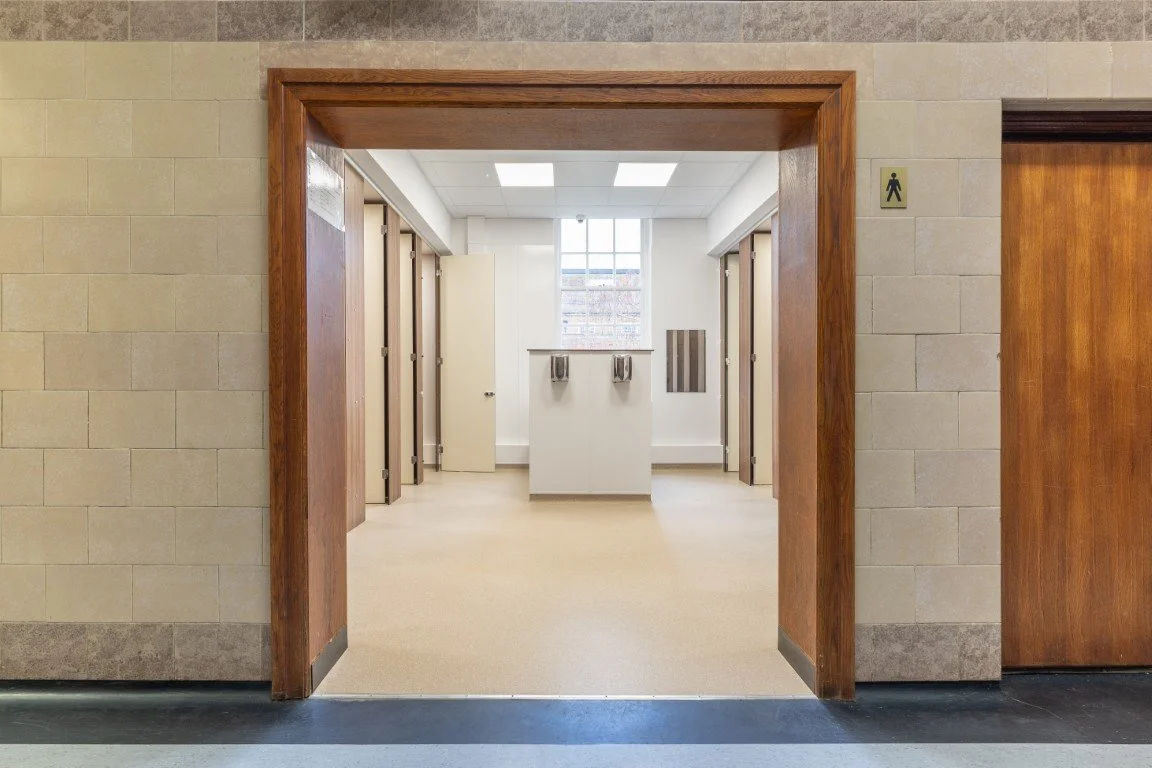
In the bustling environment of a school, where every detail contributes to the learning experience, the humble washroom often plays a more critical role than many realise. While guidance exists to help schools determine adequate toilet provision, simply meeting a numerical benchmark doesn't always translate to a positive or compliant facility.
At Focus Washrooms, we understand that effective washroom design and refurbishment go far beyond the basic ratios, focusing instead on functionality, safeguarding, and the overall well-being of pupils and staff.
Understanding the guidance – and its limitations
The Department for Education (DfE) provides non-statutory advice on toilet and washbasin provision in schools across England. This guidance, based on pupil numbers and age groups, offers a starting point for determining the minimum number of fixtures required. For instance, the advice suggests one toilet and washbasin for every ten pupils under 5, doubling to one for every 20 pupils aged 5 to 11, and remaining at one per 20 for those over 11. While this offers a practical framework, it's crucial to remember that this is advice, not a rigid legal minimum. Furthermore, these ratios primarily address pupil facilities, often overlooking the distinct needs for staff, accessible toilets, and changing rooms, which require separate consideration.
"We frequently encounter schools where the existing toilet provision, while perhaps technically meeting older guidance, is clearly inadequate for the current pupil numbers and their daily needs. Queuing and a general lack of facilities can significantly impact a school day," notes a Focus Washrooms surveyor.

Scaling provision: more than just numbers
The DfE ratios provide a benchmark, but a school's actual needs can be more nuanced. As pupil numbers fluctuate or new classes are added, a simple recalculation based on the DfE figures is a good start. For example, an additional class of 30 pupils might necessitate anywhere from one to three extra toilets, depending on the age group. For schools with mixed-age cohorts, calculating the requirement for each age band separately and then combining them is essential.
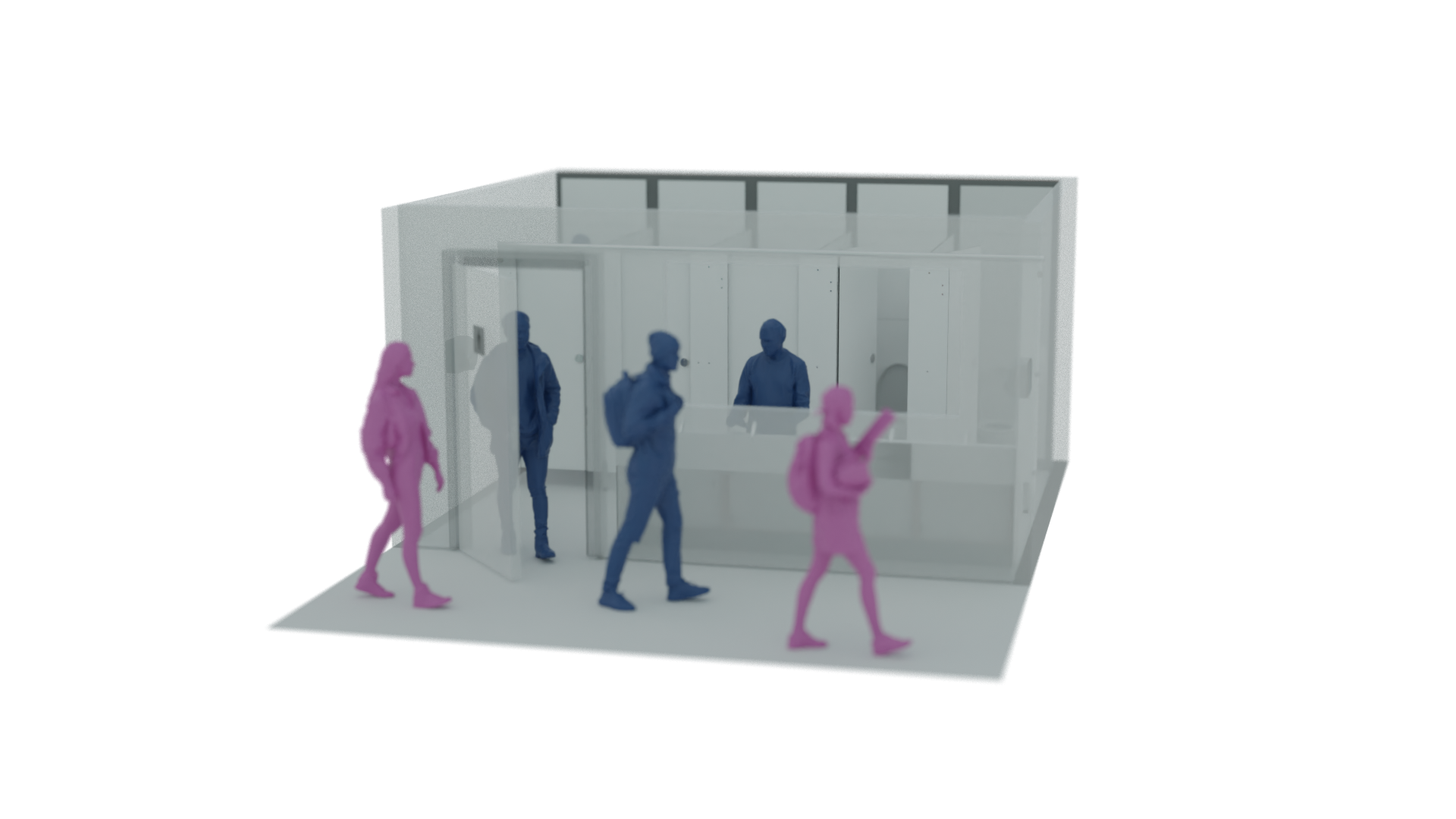
However, the true challenge lies in translating these numbers into a practical and effective layout. Separate provision for boys and girls is required from age 8, and the placement of toilets is paramount. They should be easily accessible, allow for informal staff supervision without compromising privacy, and have handwashing facilities immediately adjacent. Spreading provision across multiple, smaller washrooms near classrooms often proves more effective than a single, large block, particularly during peak times like breaks and lunch.
A quick worked example
A primary school with 210 pupils aged 5 to 11 would need about 11 toilets and 11 washbasins at one per 20 pupils (210 divided by 20 is 10.5, rounded up). If a school has pupils across more than one age band, calculate each group separately and add the results together.
Beyond ratios: safeguarding and the learning environment
For schools, especially those catering to younger pupils, safeguarding is a non-negotiable priority. This extends to the design and upkeep of washroom facilities. Ensuring adequate, well-maintained toilets that are easily accessible and visible contributes significantly to pupil safety and well-being.
Focus Washrooms understands the unique pressures on educational institutions, particularly the need for minimal disruption during term time. Our experience with school toilet refurbishment means we can plan and execute projects during holidays or implement phased programmes to ensure continuity of education. We are also acutely aware of DfE compliance requirements, ensuring that all refurbishments meet current standards and support a positive learning environment.
Rethinking the washroom: a holistic approach
The DfE ratios are a guide, but a truly effective washroom solution considers more than just the number of fixtures. It encompasses the entire user experience.
Are the facilities hygienic and easy to clean?
Is the ventilation adequate to maintain air quality?
Are the cubicle systems durable and appropriate for the age group?
Does the overall design contribute to a positive and respectful environment?
For schools, this means looking at the long-term benefits of a well-designed and robust refurbishment. It's about creating spaces that are not only compliant but also promote good hygiene habits, support safeguarding, and minimise operational headaches for school staff.
From initial design concepts to the final installation, including strip-out, plumbing, electrical work, tiling, and decoration, Focus Washrooms offers a comprehensive, end-to-end service.
Planning a washroom refurbishment?
Whether upgrading a single facility or delivering a larger programme across multiple sites, we provide structured planning, dependable delivery and long-term value.
Submit your details today and we’ll get in touch with you to discuss.
Or, call our team on 01707 952 700