
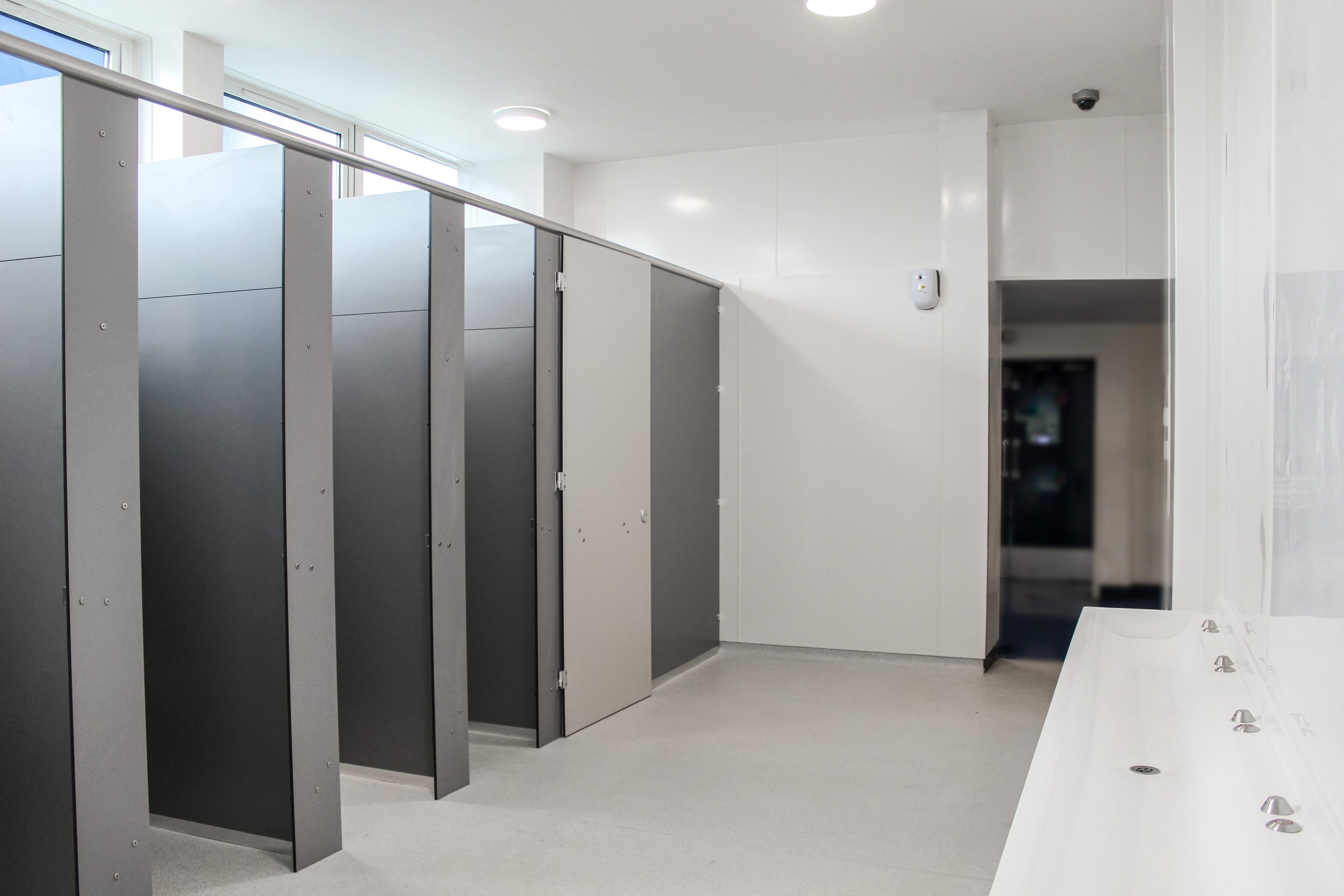
The thought of undertaking significant school works, particularly washroom refurbishments, can seem daunting. Yet, with careful planning and a clear understanding of the timelines involved, these essential projects can be seamlessly integrated into the academic calendar, minimising disruption and maximising the benefits of holiday periods. For schools aiming to complete major washroom upgrades during the summer holidays, the strategic planning needs to commence this autumn.
To ensure your project is ready for the summer break, all these crucial steps must be completed well before the end of the summer term. Typically, most washroom refurbishment projects require between two to four weeks on-site, depending on their complexity and scale.
Your strategic washroom refurbishment timeline
To help you navigate this process effectively, here's a breakdown of the key stages and when to tackle them, working backwards from the summer 2027 holidays:
Now to December 2026: Audit and evidence gathering
Conduct a thorough audit of your current washrooms. Document any damage, leaks or signs of wear and tear with clear photographic evidence.
Assess your current provision against Department for Education (DfE) ratios to identify any shortfalls.
For older buildings, arrange for a refurbishment and demolition survey to identify potential hazards like asbestos.
Engage with your local authority or trust estates team to understand the capital plan for 2027-2028 and advocate for your washroom project's inclusion.
January to March 2027: Design and specification
Book a free, no-obligation site survey with us. This allows for a detailed assessment of your existing facilities and an understanding of your specific needs.
Work with our team to agree on a design and detailed specification that meets your requirements and DfE compliance standards.
Get an itemised quote from us based on the agreed design and specification.
Provisional capital allocations are typically announced around March, so expect to have clarity on your funding position by this time.
April to May 2027: Procurement and confirmation
The new financial year begins on 1 April. This is the time to confirm your project priorities and secure the necessary funding.
Formally sign off on the design and specification.
Agree on your procurement route. Many responsible bodies utilise approved buying frameworks to ensure value for money and compliance.
Finalise the project programme and confirm the completion date.
Place your orders for materials and confirm our schedule.
June to July 2027: Final preparations
Coordinate with us on site access, delivery schedules and material storage arrangements.
Finalise key handovers and confirm the overall completion date before pupils return.
Summer holidays 2027: The refurbishment works
This is when the physical refurbishment takes place, managed by our experienced team to ensure efficient progress and minimal disruption to your school's operations.
Autumn 2027: Handover and aftercare
Upon completion, you will receive operation and maintenance manuals.
We typically provide a 12-month aftercare service, offering peace of mind and support.

Understanding school capital funding
Navigating school funding can be complex. The School Condition Allocation (SCA) is the primary source of capital funding for maintaining and improving school buildings across England. This funding is distributed to the body responsible for the schools, who then prioritise its allocation based on the condition of their entire estate. For most schools, the task is to ensure your washroom project is recognised as a priority within this capital plan, rather than requiring a separate bid.
SCA is intended for capital expenditure that addresses:
Poor building condition: This includes damaged fixtures, leaks and general wear and tear, evidenced by surveys and photographs.
Building compliance: Ensuring layouts meet current guidance, such as DfE sight and hearing rules, and that toilet provision meets recommended benchmarks.
Health and safety issues: Mitigating risks like slip hazards, exposed pipework and areas that are difficult to supervise.
Environmental sustainability: Incorporating water-saving fittings and energy-efficient lighting.
Additionally, Devolved Formula Capital (DFC) provides a fixed sum, supplemented by pupil numbers, which schools can use for capital repairs, refurbishment or as a contribution to larger projects. DFC is paid annually and can be used over three financial years, offering flexibility.
What to gather now to strengthen your case
To build a compelling case for your washroom refurbishment project, gather the following information:
Detailed photographs of current damage, leaks and wear.
Findings from any condition surveys or asbestos surveys.
Accurate pupil numbers by age group to compare against DfE ratios.
An itemised quote from us following a site survey.
Information on your preferred procurement route, such as approved buying frameworks.
Working with us
We understand the unique challenges and requirements of refurbishing school washrooms. With over 25 years of experience, our in-house design team, DBS-checked operatives and comprehensive project management ensure your project is handled with the utmost professionalism and care. We specialise in working around your academic calendar, offering phased programmes and working during holiday periods to minimise disruption.
Our free site survey is the crucial first step. We'll assess your current facilities, discuss your needs and provide a detailed, itemised quote. This information is invaluable for your capital planning and will help you build a strong case for funding. We are committed to delivering high-quality, compliant and inspiring washroom environments that enhance the school experience for pupils and staff alike.