
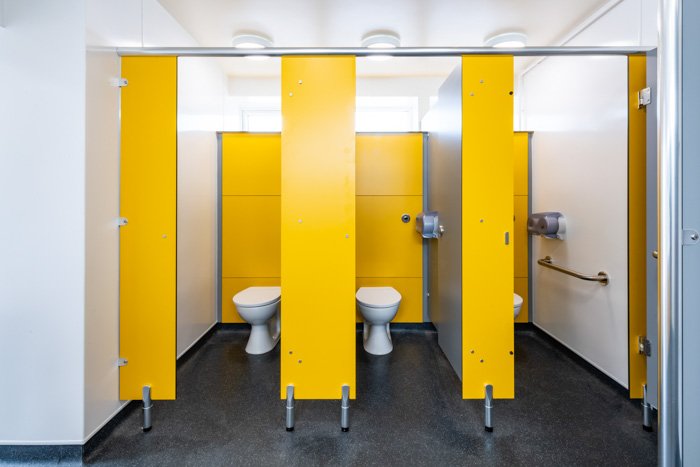
Finding a public toilet in England can be surprisingly difficult. Provision has been declining for years, with a 14% drop since 2016, creating widespread "toilet deserts". As provision is discretionary for local authorities, many people, including the elderly, disabled, families, and those with health conditions, are disproportionately affected. The question isn't just about building new facilities, but whether better refurbishment can revitalise existing ones.
Why are public toilets disappearing?
Financial pressures on local authorities are a major factor. Councils have discretion over resource allocation, and the government has no current plans for a statutory duty or ring-fenced funding for public toilets. While new grant funding and business rates relief exist, ageing facilities become expensive to operate. Issues like old plumbing, damaged cubicles, poor ventilation, and vandalism increase costs, sometimes leading to closure. This, in turn, reduces the number of available facilities.
The problem isn't always the toilet, but the building around it
Refurbishment goes beyond new cubicles and paint. Public toilets endure high footfall, seasonal peaks, vandalism, heavy cleaning, wet environments, and constant use. Effective refurbishment must consider how the facility will be used, aiming for resilience, ease of maintenance, and reduced operating costs. Upgrading existing structures can address:
Sanitaryware: Improve reliability, hygiene, and water efficiency.
Cubicles: Enhance durability and resistance to moisture and impact.
Plumbing: Upgrade old systems and improve future maintenance access.
Ventilation: Combat condensation, humidity, and odours.
Lighting: Improve visibility and reduce energy consumption with LEDs.
Accessibility: Reconsider layouts for a wider range of users.
Cleaning: Select materials and finishes for efficient, intensive cleaning.
Security: Reduce vandalism and antisocial behaviour with robust fittings.
These aren't just cosmetic. They impact operating costs. Public toilets need to be designed for abuse, withstanding hundreds of users daily. Commercial-grade components are essential, making whole-life cost more important than initial price.
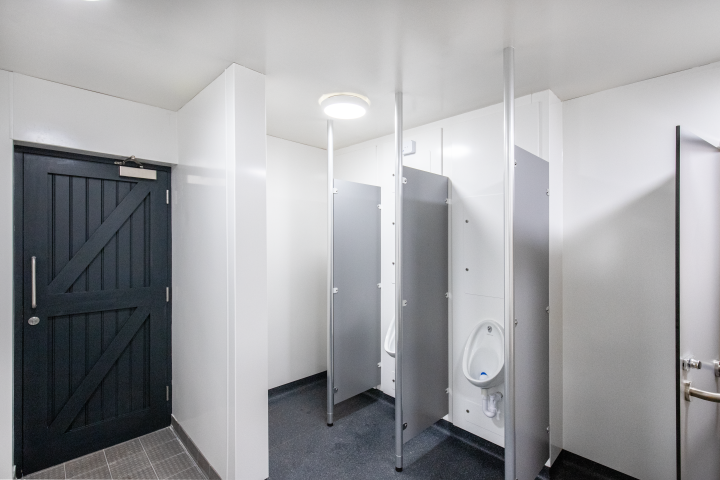
What makes a public toilet refurbishment different?
Design priorities differ from corporate washrooms, balancing durability, accessibility, hygiene, vandal resistance, water efficiency, and operating costs. Accessibility is crucial, with a growing need for specialist facilities like Changing Places toilets for those with complex disabilities. Refurbishment offers an opportunity to assess and meet community needs.
Refurbishment can also improve the user experience
Public toilets impact how people experience a town or destination. A well-maintained facility creates a positive impression, encouraging visitors to stay longer and spend more. This supports local economies. A usable public toilet allows people to participate more fully in community life, benefiting families, older visitors, tourists, and workers.
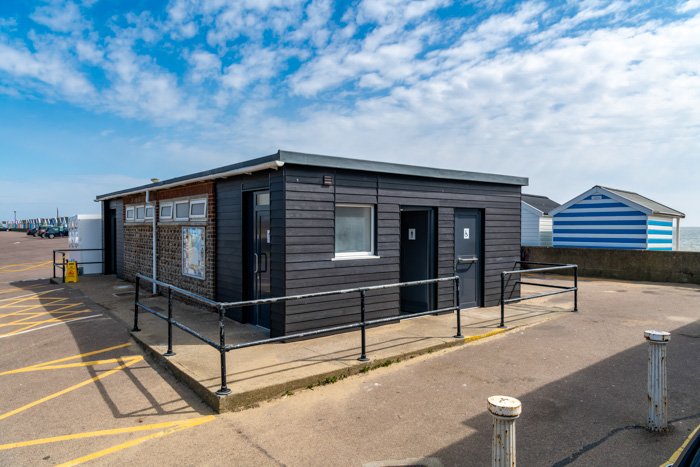
Designing public toilets for the next 10–15 years
Refurbishment should anticipate future needs, considering:
Water: Reducing consumption.
Energy: Improving efficiency of lighting and services.
Accessibility: Catering to a wider user base.
Durability: Withstanding high footfall.
Maintenance: Ensuring quick component access and replacement.
Hygiene: Facilitating efficient cleaning.
Security: Minimising damage and antisocial behaviour.
Adaptability: Allowing for future requirement changes.
The best refurbishments are long-term infrastructure projects. While refurbishment alone can't solve the entire crisis, it can significantly improve existing facilities, extending their lifespan and reducing the need for closure. Focus Washrooms specialises in commercial and public-sector washroom refurbishment, helping organisations upgrade facilities to meet user, building, and operational demands. A public toilet is vital community infrastructure.
Planning a washroom refurbishment?
Whether upgrading a single facility or delivering a larger programme across multiple sites, we provide structured planning, dependable delivery and long-term value.
Submit your details today and we’ll get in touch with you to discuss.
Or, call our team on 01707 952 700