
How to know when to refurbish your washrooms
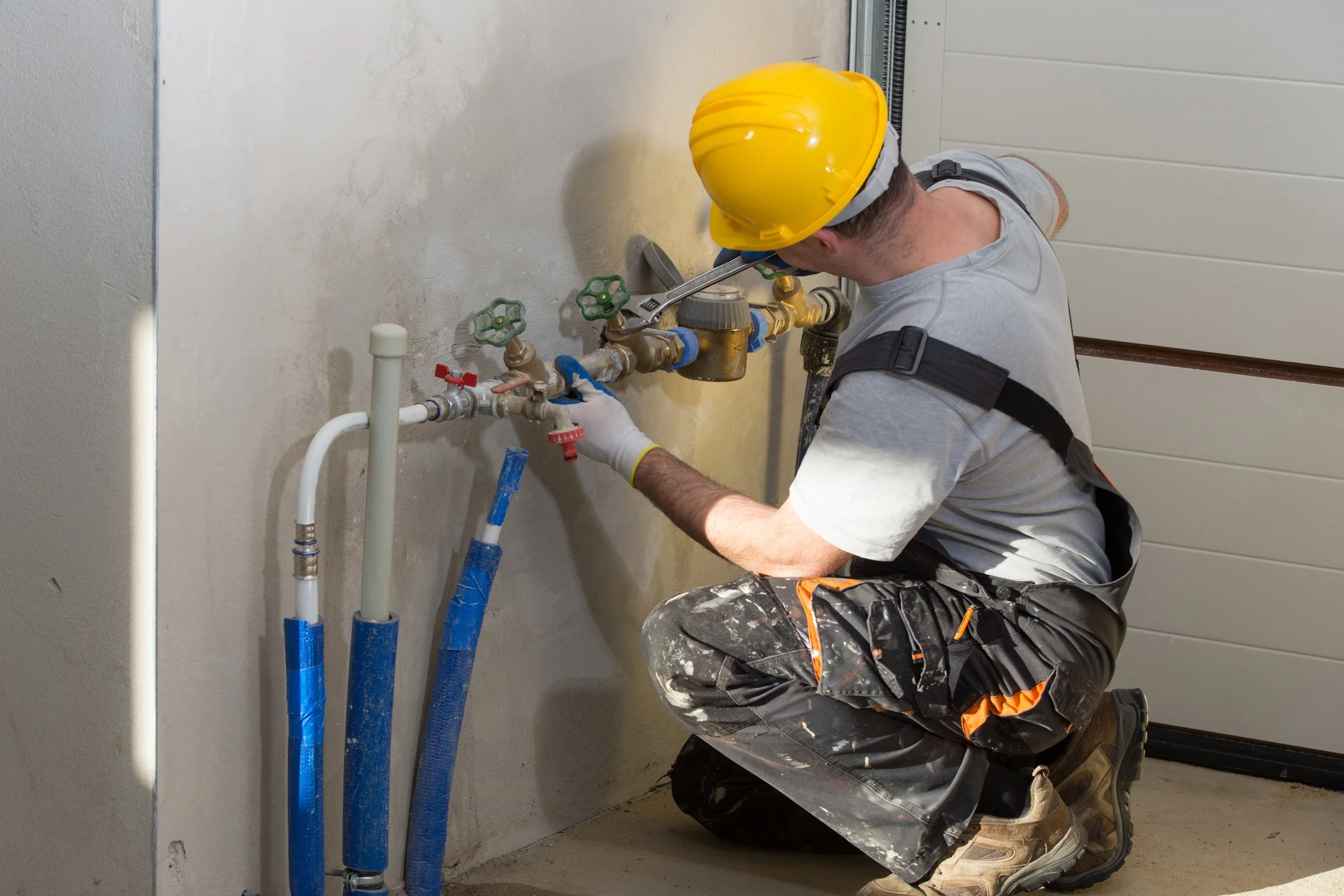
A washroom can remain functional for years, but that doesn't automatically mean it's meeting the needs of its users or the organisation responsible for its upkeep. While small repairs and replacements can keep individual problems at bay, there comes a point where ongoing maintenance is no longer the most practical or cost-effective solution. When multiple elements of a washroom begin to show their age simultaneously, a comprehensive refurbishment can offer a more effective long-term answer. But how do you know when that point has been reached?
1. Repairs are becoming more frequent
One of the clearest indicators that a washroom might be due for a refurbishment is the increasing frequency of repairs. A leaking tap or a damaged cubicle door might be relatively straightforward to address. However, if plumbing, sanitaryware, cubicles, flooring, and other components are regularly requiring attention, these individual repairs can start to represent a recurring cost rather than a sustainable solution. Frequent repairs can also suggest that several parts of the washroom are nearing the end of their useful lifespan around the same time. Instead of continually tackling individual faults, it's worth considering whether the room would benefit from a holistic assessment.
2. Visible signs of wear and tear
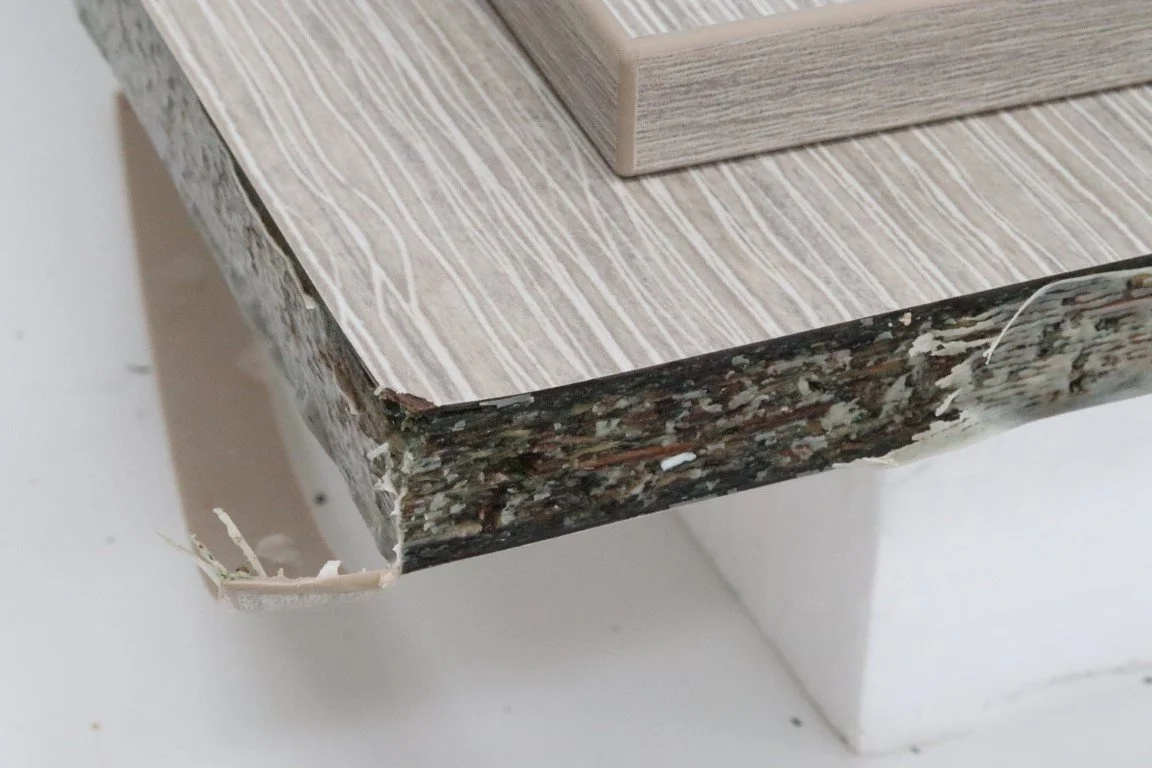
Commercial and educational washrooms can experience significant daily usage. Over time, surfaces, fittings, and fixtures inevitably begin to deteriorate. Common signs include:
Damaged or worn cubicles
Chipped or cracked sanitaryware
Deteriorated wall finishes
Worn flooring
Degrading sealant and grout
Damaged doors and ironmongery
Stained or difficult-to-clean surfaces
Outdated or damaged vanity units
Some wear is expected in a heavily used facility, but widespread deterioration can impact both the appearance and the performance of the washroom. A refurbishment provides an opportunity to address these issues concurrently, rather than replacing individual components as they fail.
3. The layout no longer meets current needs
A washroom designed for a building several years ago may not be suitable for its current usage patterns. Occupancy levels may have increased, the building's purpose might have evolved, or expectations around privacy and accessibility may have shifted. An existing layout can lead to problems such as:
Insufficient circulation space
Inefficient use of available space
Poor privacy
Inadequate accessible provision
Queuing during busy periods
Poor separation between different areas
Difficult access for cleaning and maintenance
A refurbishment offers the chance to re-evaluate the layout, moving beyond simply replacing what's already there.

4. Accessibility needs improvement
Accessibility should be an integral part of washroom design, not an afterthought. An existing washroom might not provide the necessary space, layout, or facilities to cater to all users. This could involve the provision of accessible toilets or the consideration of facilities like Changing Places toilets where appropriate. Accessibility also influences the wider washroom design, including circulation, door access, sanitaryware positioning, grab rails, controls, and clearances. If an existing facility is challenging for some users to access or use, a refurbishment can provide an opportunity to address these issues as part of a broader redesign.
5. Cleaning and maintenance are becoming a challenge
Effective cleaning and maintenance are crucial considerations for any busy washroom. Older or poorly designed facilities can feature awkward junctions, damaged surfaces, hard-to-reach areas, and materials that have become more difficult to maintain over time. A refurbishment can introduce more practical finishes and layouts that simplify routine cleaning. This might involve specifying:
Easy-to-clean surfaces
Durable flooring solutions
Accessible maintenance points
Appropriate sanitaryware
Robust cubicle systems
Wall finishes that withstand regular cleaning
Fixtures that are straightforward to maintain
Good washroom design isn't solely about initial aesthetics; it must also consider long-term operational performance.
6. Opportunities to reduce water and energy consumption
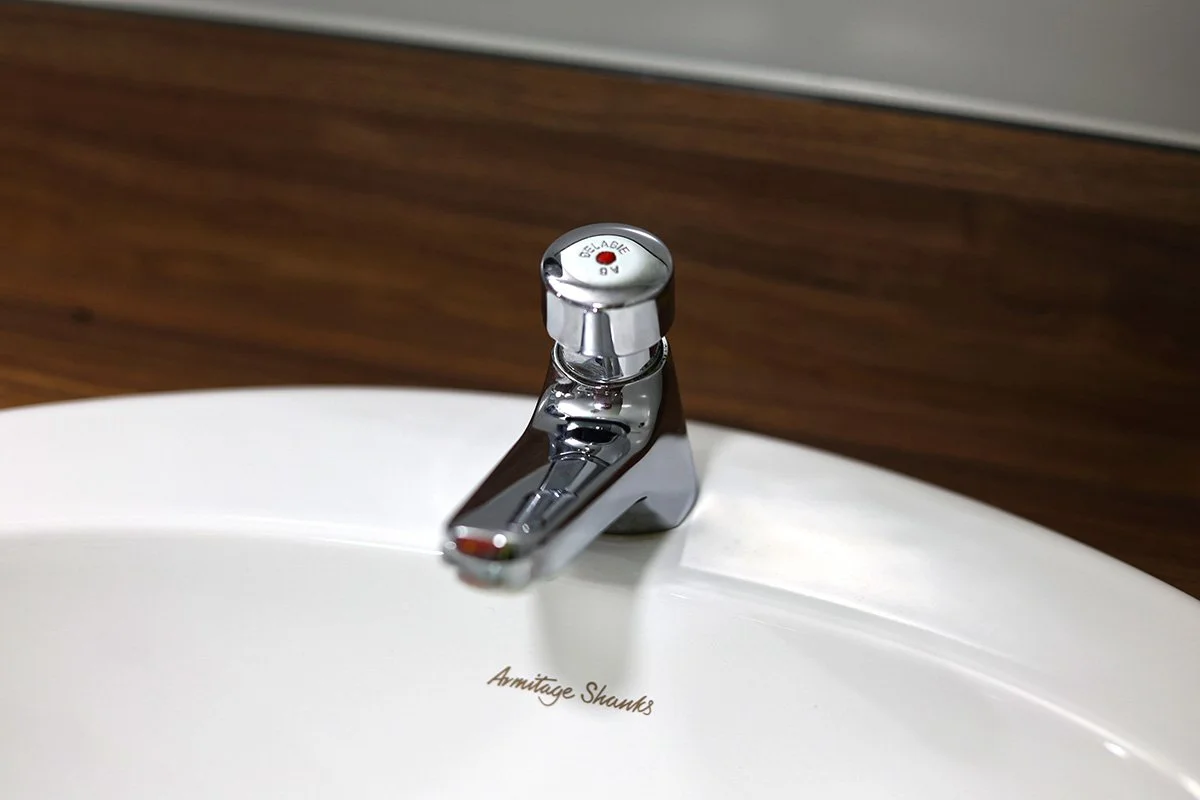
Older sanitaryware and fittings may consume more water or energy compared to modern alternatives. Depending on the building and the existing installation, a refurbishment can present an opportunity to incorporate more efficient sanitaryware, sensor-controlled fittings, and improved lighting. Reducing consumption can yield both environmental and operational benefits, particularly in facilities with high daily usage. However, efficiency should always be balanced with usability, reliability, and ease of maintenance.
7. The washroom no longer reflects the building's image
Washrooms are an integral part of a building's overall user experience. For offices, commercial premises, leisure facilities, and public buildings, an outdated washroom can feel incongruous with otherwise modern surroundings. In educational settings, washrooms are part of the daily environment for pupils and staff. A refurbishment can create a facility that aligns with the building's wider aesthetic while simultaneously enhancing functionality.
8. Increased user numbers
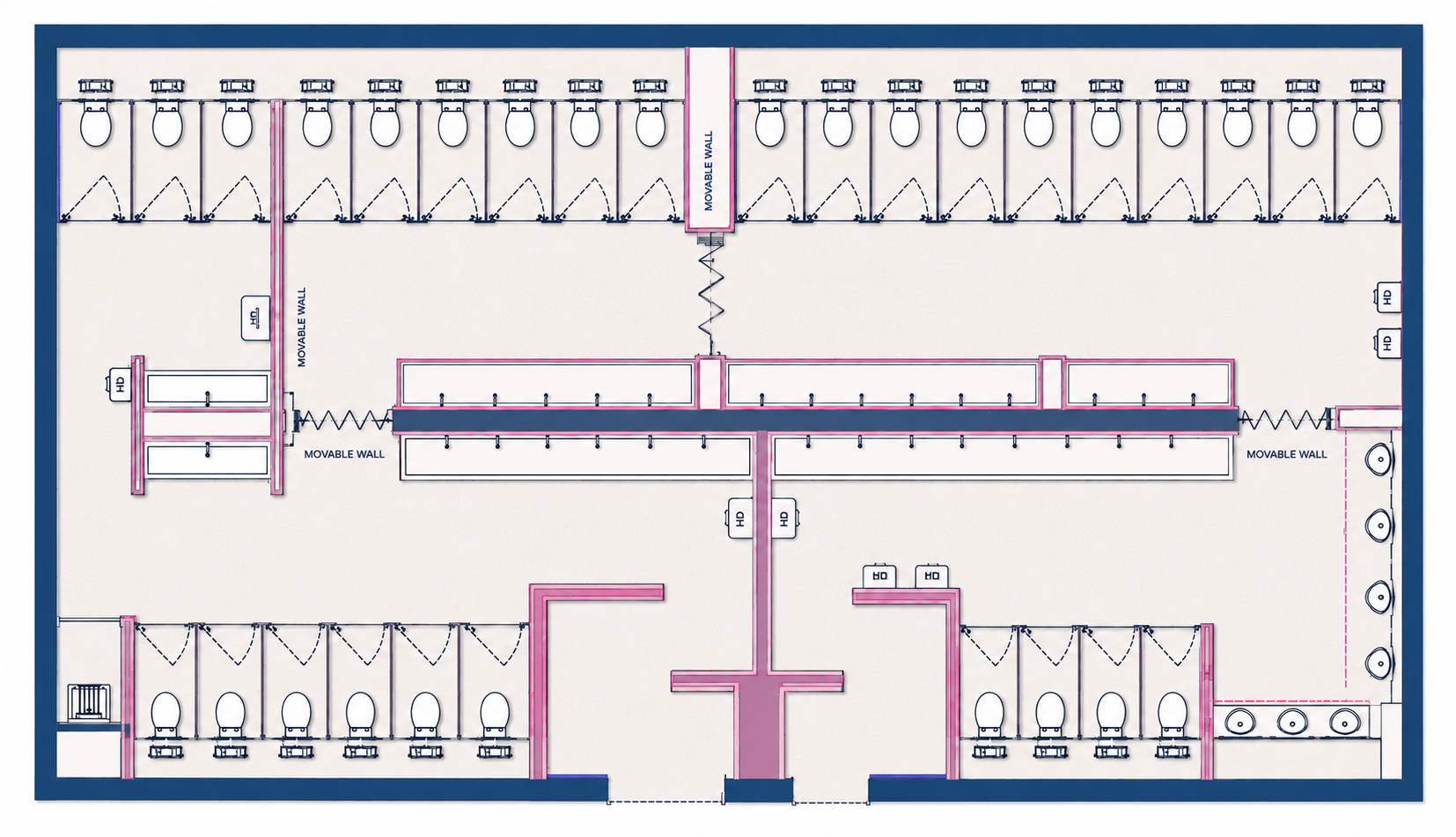
A change in occupancy or building use can place additional strain on existing facilities. This is particularly relevant for large offices, schools, leisure facilities, retail environments, and public buildings with high footfall. If queues are a regular occurrence, facilities are struggling during peak times, or fittings are showing unusually high levels of wear, it may be time to reassess whether the current washroom is adequate for the number of users.
The solution might extend beyond simply adding more cubicles, requiring consideration of layout, circulation, sanitaryware, ventilation, durability, and accessibility as a cohesive whole.
9. Changes to the building or its requirements
A refurbishment may also become necessary when the building itself undergoes changes. For instance, an organisation might increase its workforce, alter space utilisation, expand into new areas, or change its visitor capacity. When the wider building evolves, washrooms should be reviewed to ensure they remain suitable. At Focus Washrooms, we specialise in full washroom refurbishment projects, covering everything from initial surveys and design through to strip-out, plumbing, electrical work, tiling, decoration, and installation. Our in-house design team can help you reimagine your space, ensuring it meets modern standards for hygiene, accessibility, and user experience.
Planning a washroom refurbishment?
Whether upgrading a single facility or delivering a larger programme across multiple sites, we provide structured planning, dependable delivery and long-term value.
Submit your details today and we’ll get in touch with you to discuss.
Or, call our team on 01707 952 700