
Accessible toilets vs. Changing Places toilets: Understanding the crucial differences
In today's increasingly inclusive society, providing accessible facilities is not just a legal requirement but a moral imperative. However, a common point of confusion arises when differentiating between standard accessible toilets and the more comprehensive Changing Places facilities. While both aim to cater to individuals with disabilities, their scope and purpose are significantly different. Understanding these distinctions is vital for organisations across sectors like education, leisure, and commercial property to ensure they are truly meeting the needs of all users.
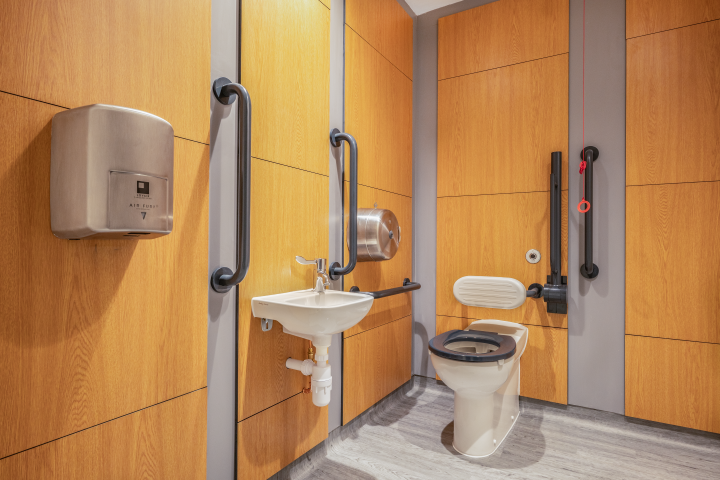
The basics of accessible toilets
Accessible toilets, often referred to as disabled toilets, are designed to accommodate individuals with a range of mobility impairments. These facilities typically feature:
Sufficient space for a wheelchair to manoeuvre.
Grab rails for support.
An accessible toilet pan.
A washbasin at an appropriate height.
An emergency pull cord.
These are essential for many individuals with disabilities, allowing them to use public facilities independently.
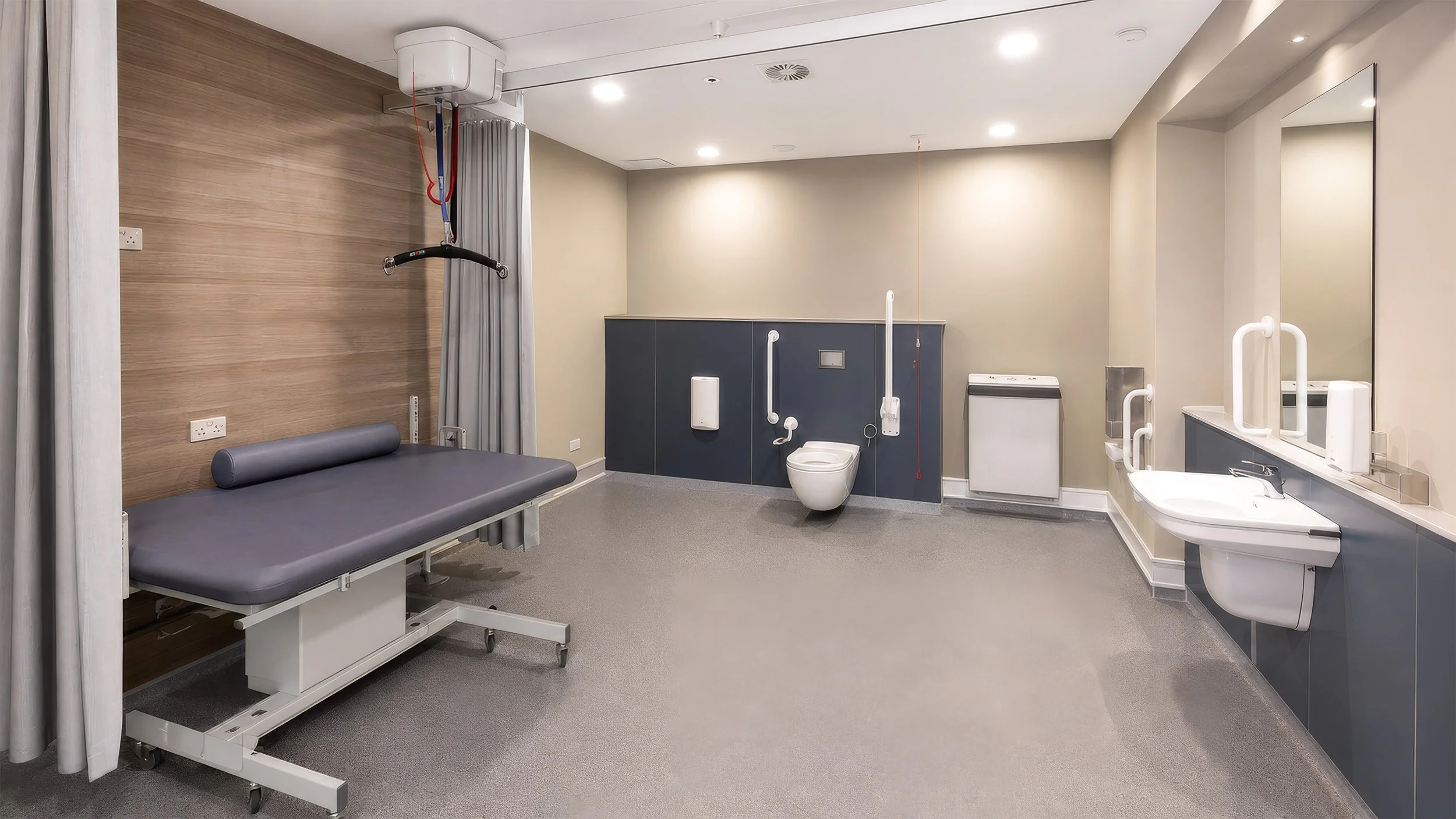
Introducing Changing Places: a higher standard of accessibility
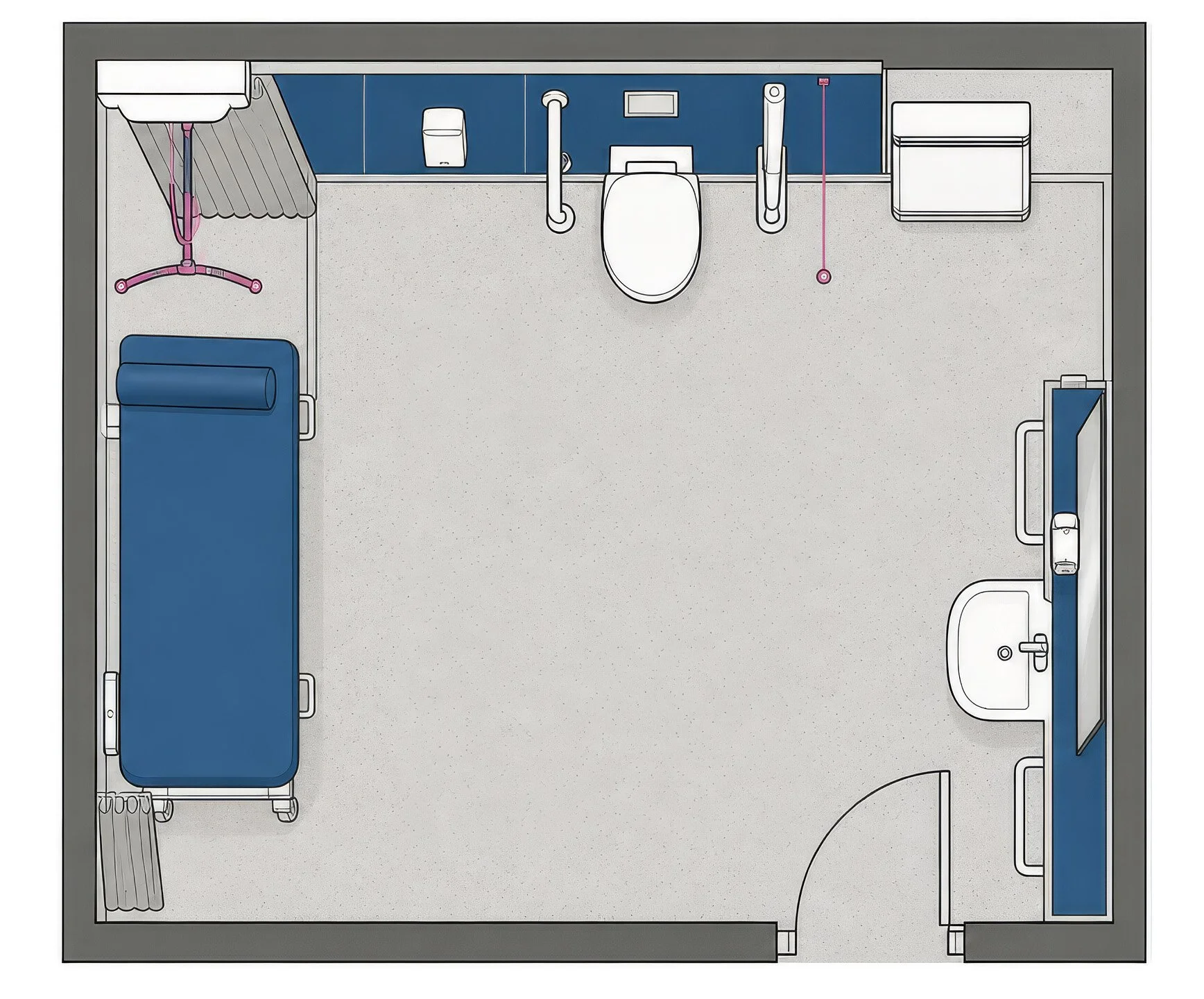
Changing Places toilets go far beyond the standard accessible toilet. They are specifically designed for people who cannot use a toilet or changing bench independently, requiring the assistance of a carer. These facilities are essential for individuals with profound and complex disabilities, such as cerebral palsy, muscular dystrophy, and motor neurone disease. A Changing Places facility typically includes:
A height-adjustable adult-sized changing bench.
A hoist system.
Sufficient turning space for a wheelchair and carers.
A toilet.
A washbasin.
An emergency alarm system.
The inclusion of a hoist and adjustable bench is paramount, allowing for safe and dignified personal care that simply isn't possible in a standard accessible toilet. For organisations committed to true inclusivity, particularly in sectors like education, leisure centres, and large commercial premises, providing Changing Places facilities is a significant step forward.
Visit www.changing-places.org for more information.
Why the distinction matters for your organisation
The implications of not understanding this difference can be significant. Installing a standard accessible toilet when a Changing Places facility is required means that a considerable portion of the population with complex needs will still be excluded from your premises. This can lead to reputational damage, missed opportunities, and, in some cases, non-compliance with accessibility standards.
For schools, ensuring all pupils, including those with complex needs, can participate fully in school life is crucial. Similarly, leisure facilities and shopping centres have a responsibility to cater to a diverse customer base. Focus Washrooms has extensive experience working within these sectors, understanding the unique requirements and regulations that apply.
Your partner in inclusive washroom solutions
At Focus Washrooms, we specialise in designing and installing all types of accessible toilet facilities that meet all relevant building regulations and standards, ensuring functionality and dignity for users. Our experienced team can assess your existing facilities and recommend the most effective upgrades.
Whether you're looking to upgrade existing accessible toilets or implement a full Changing Places facility, our end-to-end project management ensures a seamless process. From initial strip-out and plumbing to electrical work, tiling, and final installation, our DBS-checked operatives (for educational projects) and skilled team handle every detail with professionalism and care. We understand the importance of minimising disruption, especially in sensitive environments like schools and healthcare facilities, and can offer phased programmes to suit your operational needs.